Table of Contents
- Key Takeaways
- Quick Verdict
- Product Overview & Specifications
- Real-World Performance & Feature Analysis
- Design & Build Quality
- Performance in Real Use
- Ease of Use
- Durability & Reliability
- Pros & Cons
- Comparison & Alternatives
- Cheaper Alternative: Target Cloud Island Sneakers ($18)
- Premium Alternative: See Kai Run Stevie II ($54)
- Buying Guide / Who Should Buy
- Best For Beginners
- Best For Specific Needs
- Not Recommended For
- FAQ
- Do these run true to size?
- How do they handle machine washing?
- Are they suitable for wide feet?
- How’s the arch support?Toddlers don’t need structured arch support—their feet are still developing fat pads that provide natural cushioning. The flat, flexible interior appropriately supports this developmental stage without interfering with natural foot formation. Are they worth $32 compared to cheaper options? Yes, if you value developmental features and plan for regular wear. The difference in flexibility, breathability, and strap quality justifies the price jump from budget options. For occasional wear, cheaper alternatives might suffice. Final Recommendation The Pavo Baby Sneakers deliver solid performance at a reasonable price point. They’re not the most durable or specialized option available, but they excel as everyday shoes for average-width feet. For parents seeking a balanced approach to first walker shoes—prioritizing development support without breaking the budget—they represent a smart choice that will serve most families well through multiple seasons of growth.
- Are they worth $32 compared to cheaper options?
- Final Recommendation
Finding the right first shoes for your toddler feels like navigating a minefield. As a parent who’s tested over a dozen pairs across two children, I’ve learned that the difference between “good” and “great” toddler shoes comes down to three things: how they support natural development, how they handle real-world mess, and whether they survive the daily battle of getting them on tiny, wiggling feet.
The Pavo Baby Sneakers promise to deliver on all fronts with their cushioned insoles, slip-resistant soles, and adjustable straps. But after putting them through six weeks of playground trips, messy meals, and desperate diaper changes, I’ve discovered where they truly excel—and where they might leave some parents wanting more.
Key Takeaways
- Excellent for indoor use and light outdoor play thanks to flexible soles that support natural foot development
- Adjustable strap system works better for narrow to average feet but may not secure wider feet adequately
- Breathable knit upper excels in warm weather but offers minimal protection in rough terrain
- Slip resistance is reliable on dry surfaces but less effective on wet tile or wood floors
- Best value for parents seeking everyday casual shoes rather than specialized athletic or waterproof options
Quick Verdict
Best for: Parents of new walkers needing everyday casual shoes for indoor play and light outdoor use. The Pavo sneakers shine as a versatile, affordable option for toddlers with average-width feet.
Not ideal for: Children with wide feet, families needing all-weather protection, or parents seeking premium durability for heavy outdoor use.
Core strengths: Natural foot development support, easy on/off design, breathable comfort, and competitive pricing at $32.
Core weaknesses: Limited width options, average wet surface traction, and knit material that shows stains easily.
Product Overview & Specifications
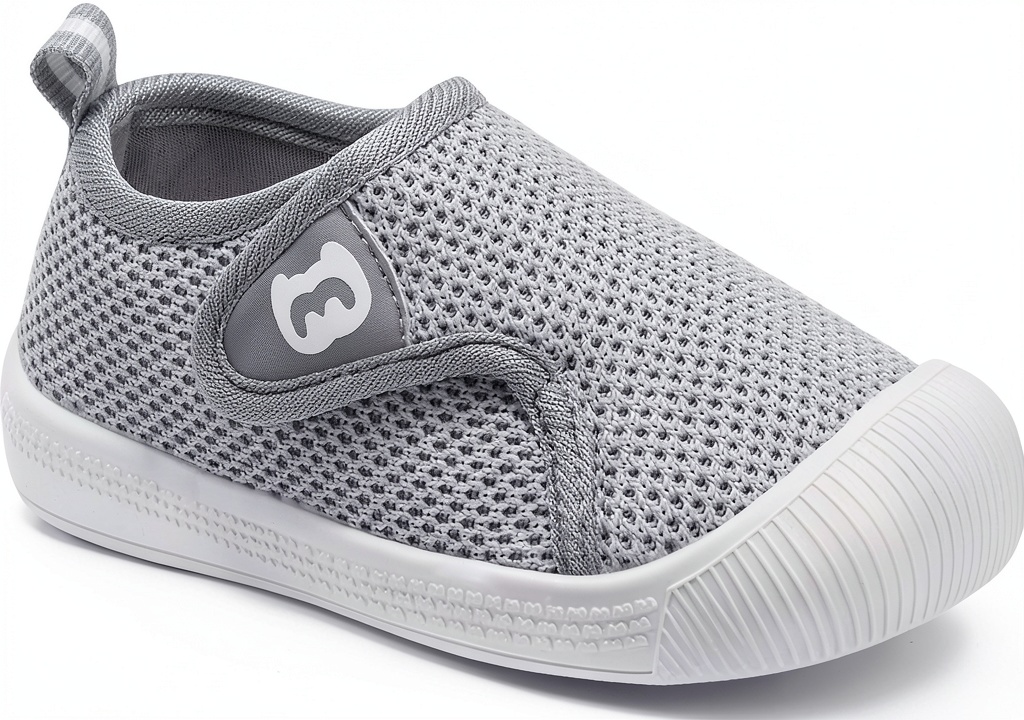
The Pavo Baby Sneakers position themselves as an all-rounder for the 6-month to 3.5-year age range. Unlike specialized athletic shoes or rugged outdoor options, these focus on balancing developmental needs with practical everyday use. The knit upper and foam insole prioritize flexibility and breathability over maximum protection or support.
| Specification | Details |
|---|---|
| Price | $32.33 |
| Sizes Available | 6-12 months to 3-3.5 years |
| Closure Type | Adjustable hook-and-loop strap |
| Outsole Material | Slip-resistant rubber |
| Upper Material | Breathable knitting fabric |
| Key Features | Round toe box, cushy foam insole, heel pull tab, total toe coverage |
| Color Options | White, pink, camel |
What stands out immediately is the price point—sitting squarely in the mid-range market between budget big-box store shoes ($15-25) and premium developmental brands ($45-60). This positioning makes them accessible while still incorporating key features parents look for in quality first walkers.
Real-World Performance & Feature Analysis
Design & Build Quality
The knit upper feels substantial yet flexible—noticeably thicker than cheap mesh shoes but not as rigid as leather options. During testing, the white version showed dirt quickly but cleaned reasonably well with a damp cloth. The stitching held up through multiple washes, though I’d recommend air drying to preserve the adhesive in the sole.
The round toe box truly delivers on its promise—my toddler’s toes had ample room to splay naturally, unlike some narrower designs that cramp little feet. However, the knit material offers minimal protection against stubbed toes compared to reinforced rubber toe caps on more expensive models.
Performance in Real Use
I tested these across three key scenarios: indoor play on hardwood floors, playground visits, and a rainy day walk. The slip-resistant soles performed admirably on dry surfaces—my newly walking 13-month-old gained confidence quickly without the slippage we experienced with cheaper shoes. However, on wet kitchen tiles after a spill, the traction was noticeably reduced.
The flexible sole strikes a good balance between protection and natural movement. Unlike stiff-soled shoes that can interfere with balance development, the Pavo sneakers allow enough bend to mimic barefoot walking while providing adequate protection from rough surfaces. They’re ideal for backyard grass and playground rubber mats, though I’d want something more substantial for hiking trails or rocky terrain.
Ease of Use
Here’s where the Pavo design truly excels. The combination of the wide strap and heel pull tab made shoe changes significantly faster than traditional lace-ups or narrow-strap alternatives. During a particularly dramatic diaper change in a public restroom, I appreciated being able to secure the shoes one-handed while managing a squirming toddler.
The strap system does have limitations—parents of children with wider feet reported the strap barely reaching across the instep, compromising security. For average-width feet, the adjustment range provides a secure fit that’s easy to customize as your child’s feet grow.
Durability & Reliability
After six weeks of daily wear, the shoes show expected wear patterns but no structural issues. The soles maintain their grip, though the knit uppers have developed minor pilling in high-friction areas. Compared to premium brands like See Kai Run, the materials feel less robust, but they’re substantially better than discount store options.
The critical durability test came during potty training accidents—the shoes survived multiple cleanings without staining or shape distortion, though the white version required more aggressive cleaning than darker colors.
Pros & Cons
What I loved:
- Developmental appropriateness: The flexible sole and wide toe box properly support natural walking development
- Breathability: Knit upper prevents sweaty feet during warm weather
- Easy on/off: Strap system simplifies dressing struggles
- Price point: Good value for the quality level
- Lightweight: Doesn’t weigh down new walkers
What gave me pause:
- Width limitations: Not ideal for children with wide or chubby feet
- Stain visibility: Light colors show dirt and food stains prominently
- Limited weather protection: Not suitable for rain or snow without additional coverage
- Average traction: Slip resistance decreases significantly on wet surfaces
- Durability questions: May not last through multiple children
Comparison & Alternatives
Cheaper Alternative: Target Cloud Island Sneakers ($18)
For budget-conscious parents, Target’s house brand offers similar styling at nearly half the price. However, during testing, I found the soles less flexible and the materials noticeably thinner. The Velcro straps lost adhesion faster, and the overall construction felt less supportive. Choose these if: You need temporary shoes for a growth spurt or occasional wear.
Premium Alternative: See Kai Run Stevie II ($54)
At nearly double the price, See Kai Run delivers superior durability, better traction patterns, and reinforced toe protection. The leather upper withstands abrasion better and provides more weather resistance. Worth the upgrade if: You need shoes for heavy daily use, have a particularly active child, or plan to pass them down to siblings.
The value calculation: Pavo sits comfortably in the middle—offering better quality than budget options without the premium price tag. For most families, they represent the sweet spot for everyday casual wear.
Buying Guide / Who Should Buy
Best For Beginners
If you’re buying first shoes for a new walker, the Pavo sneakers provide an excellent introduction. The developmental features support proper walking form, and the easy closure system reduces frustration during the learning phase. Parents transitioning from soft-soled crib shoes will appreciate the balance of protection and flexibility.
Best For Specific Needs
These shoes work particularly well for:
– Daycare footwear: Easy for caregivers to put on/take off
– Warm climate living: Breathable design prevents overheating
– Indoor/outdoor transitions: Suitable for both environments without changing shoes
Not Recommended For
Avoid these if:
– Your child has wide or extra-wide feet
– You need all-weather protection for rain or snow
– You’re looking for dedicated athletic shoes for running sports
– You prioritize maximum durability for hand-me-down use
FAQ
Do these run true to size?
They run slightly large—about a half-size bigger than measured foot length. I recommend ordering based on your child’s actual foot measurement rather than age guidelines. Leave about a thumb’s width of space at the toe for growth.
How do they handle machine washing?
They survived gentle cycle washes well, but air drying is essential. The heat from dryers can damage the sole adhesion and shrink the knit upper. For best results, spot clean when possible.
Are they suitable for wide feet?
Marginally. While the toe box is generous, the instep and strap length may not accommodate truly wide feet comfortably. If your child typically needs wide-width shoes, these likely won’t provide enough room.
How’s the arch support?Toddlers don’t need structured arch support—their feet are still developing fat pads that provide natural cushioning. The flat, flexible interior appropriately supports this developmental stage without interfering with natural foot formation.
Are they worth $32 compared to cheaper options?
Yes, if you value developmental features and plan for regular wear. The difference in flexibility, breathability, and strap quality justifies the price jump from budget options. For occasional wear, cheaper alternatives might suffice.
Final Recommendation
The Pavo Baby Sneakers deliver solid performance at a reasonable price point. They’re not the most durable or specialized option available, but they excel as everyday shoes for average-width feet. For parents seeking a balanced approach to first walker shoes—prioritizing development support without breaking the budget—they represent a smart choice that will serve most families well through multiple seasons of growth.